Seeing the bigger picture
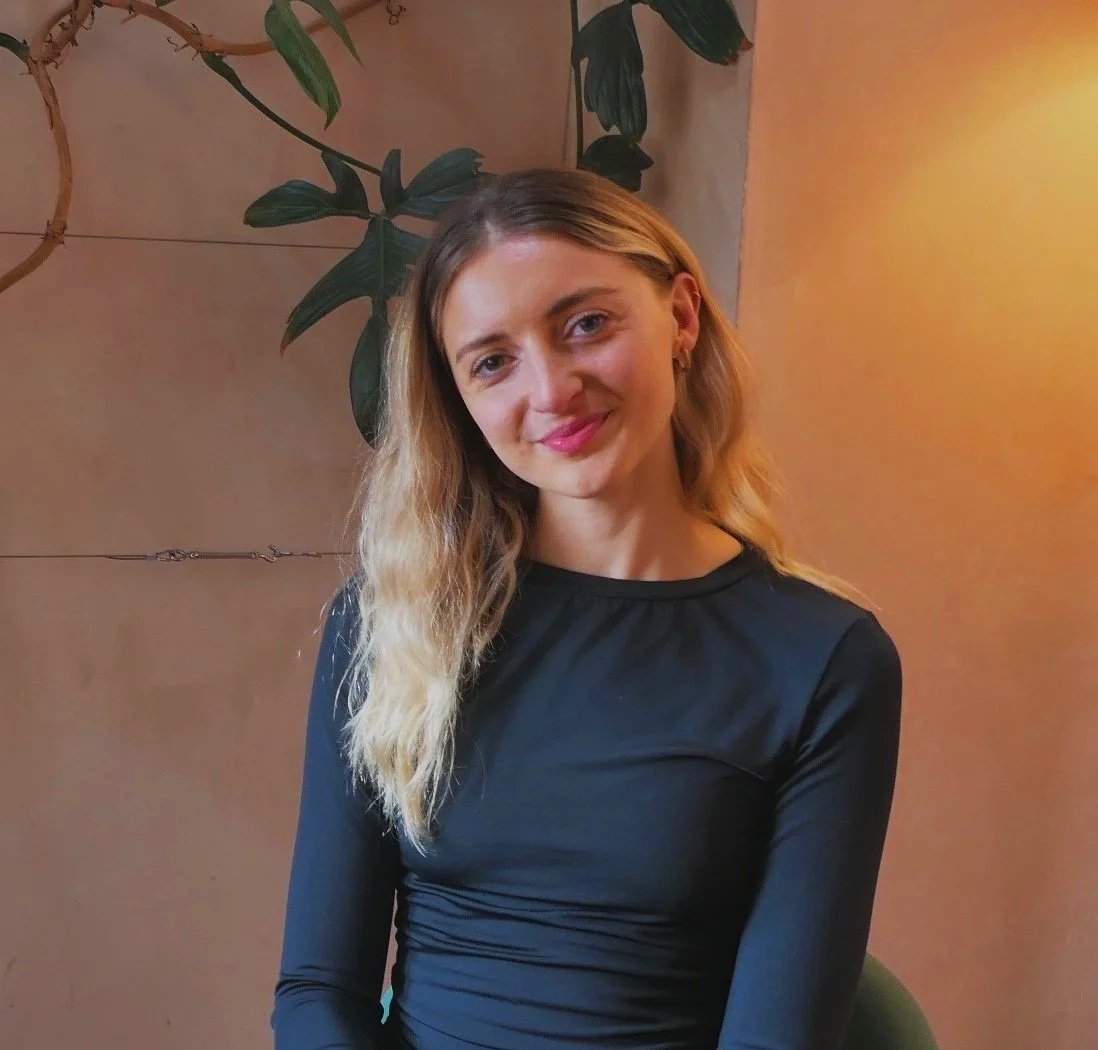
Hello!“I am passionate about helping people who are living with chronic pain.”


About me
I’ve spent the last seven years working as a Physiotherapist, specialising in musculoskeletal health. I trained at Northumbria University before working in the NHS, where I developed a strong foundation in clinical assessment, diagnosis and treatment. I progressed into a senior role during my three years there, learning to assess a wide range of musculoskeletal problems and, importantly, to recognise when something required further investigation or medical input.
I then moved into private practice in London, where I was able to spend more time with each person. I went on to train in Mat and Reformer Pilates and acupuncture.
However, there was a group of people who would return to the clinic regularly and follow their rehabilitation plans diligently, yet they weren’t getting better. I found myself questioning the whether we could do better and help these people more.
I began exploring pain neuroscience and the relationship between the brain, nervous system and body. I started incorporating more education, nervous system regulation and a mind-body approach into my physiotherapy practice, and I saw how much could change when people began to understand their symptoms differently.
This eventually led me to training in Pain Reprocessing Therapy (PRT), an evidence-based approach to chronic pain and persistent symptoms. PRT gave me a framework for working through this mind-body lens.
Today I utilise both my physiotherapy background with an awareness of the mind-body connection in physical presentations.
My physiotherapy background means I understand the physical body, how musculoskeletal conditions present, and how to recognise when symptoms need further investigation or medical input. This foundation matters as we should always work backwards and rule out a structural or pathological cause for symptoms.
However, once a physical cause it’s ruled out. It’s a lot more common for chronic pain to be driven by other mind-body processes, therefore leaning into psychological interventions is likely to help.
My aim is to help you understand what is happening in your body and give you the tools to move forward with confidence.
Qualifications:
Physiotherapy degree BSc (Hons)
Pilates mat level 1 - APPI
Dynamic Reformer Course - Ten Education
Acupuncture Association of Chartered Physiotherapists - Foundation Course
Certified Practitioner in Pain Reprocessing Therapy
Registrations:
Health and Care Professions Council (HCPC)
Chartered Society of Physiotherapist’s (CSP)
Acupuncture Association of Chartered Physiotherapists (AACP)
Pain Reprocessing Directory - registered clinician